


Views: 55 Author: vjoyful Publish Time: 2026-10-10 Origin: Vjoyful


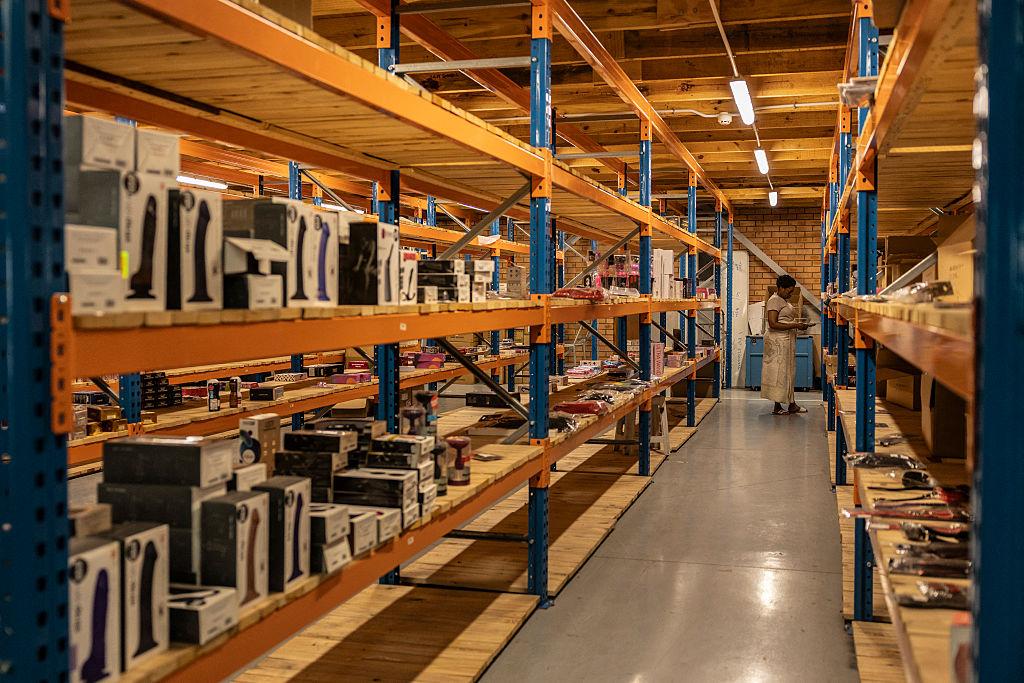
When sourcing adult toys for your business, choosing the right supplier is one of the most important decisions you will make. Whether you operate an online store, a physical adult shop, a wholesale distribution business, or a private-label brand, your supplier can directly influence product quality, pricing, customization options, and delivery reliability.
Two common sourcing options are manufacturers and trading companies. Both can supply adult products to international buyers, but their business models, operational strengths, and service capabilities may differ.
So, should you work directly with an adult toys manufacturer or purchase through a trading company?
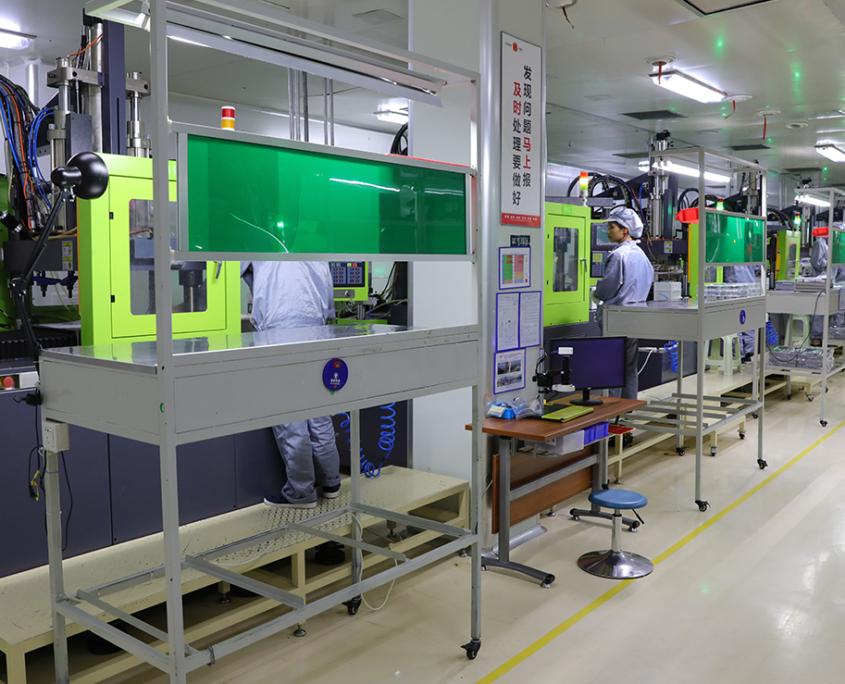
An adult toys manufacturer is a company that produces adult products using its own manufacturing facilities, production equipment, workforce, or managed production processes.
Depending on its capabilities, a manufacturer may handle product design, material selection, mold development, production, assembly, quality inspection, and packaging.
Direct access to production capabilities
Working with a manufacturer allows buyers to communicate more directly with the team responsible for production. This can make it easier to discuss product specifications, materials, technical requirements, and manufacturing feasibility.
Product customization and development
Manufacturers with suitable engineering and design capabilities may support OEM and ODM projects. Services can include logo customization, packaging development, product appearance changes, and new product development.
However, not every factory can develop every product independently. Buyers should confirm the supplier's actual design, tooling, and engineering capabilities before starting a project.
Greater visibility into production and quality control
A manufacturer may provide more direct information about production processes, inspection procedures, and manufacturing schedules. This can be particularly valuable when buyers need consistent specifications across repeat orders.
Potential cost advantages for suitable order volumes
Purchasing directly from a factory may reduce intermediary costs. However, factory-direct sourcing does not automatically guarantee the lowest price. Minimum order quantities, tooling expenses, production efficiency, packaging, and order volume all affect the final cost.
For businesses planning regular purchases or developing private-label products, a capable manufacturer can become a long-term supply chain partner.
An adult toys trading company typically purchases products from manufacturers and resells them to overseas buyers. Some trading companies work with many factories, allowing them to offer a broader product selection than a single-product manufacturer.
Their main value often lies in supplier coordination, product sourcing, export services, and communication with international customers.
A wider range of product options
A trading company may source vibrators, couples' products, anal toys, cock rings, remote-control products, and other categories from different manufacturers.
This can help buyers compare styles and consolidate sourcing across several product categories.
Flexible sourcing arrangements
Some trading companies can combine products from multiple suppliers or offer smaller quantities of selected items. This may be useful for new businesses testing demand before committing to larger orders.
Actual flexibility depends on inventory availability and the terms offered by the company's upstream suppliers.
One point of contact
Instead of communicating separately with several factories, buyers may be able to coordinate product selection, quotations, documentation, and shipment arrangements through one trading partner.
Support with sourcing and export coordination
Experienced trading companies may help buyers compare supplier options, organize product assortments, and coordinate international shipments. Their value depends on their supplier relationships and operational expertise.
A trading company is not necessarily less professional or less capable than a manufacturer. Some trading companies also maintain inventory, develop private-label products, and operate their own quality-control systems.
Understanding the differences between these two sourcing models can help you evaluate suppliers based on your actual business requirements rather than price alone.
| Comparison Factor | Adult Toys Manufacturer | Adult Toys Trading Company |
|---|---|---|
| Primarily manufactures its own products | Primarily sources products from external manufacturers |
| Often focused on its manufacturing capabilities | May combine products from multiple factories |
| Offers production-based pricing depending on costs and order terms | Pricing may include sourcing, coordination, and service margins |
| Depends on production requirements, product type, and inventory | Depends on upstream suppliers and stock availability |
| Can be strong when design and production capabilities are available | Usually coordinates customization through partner factories |
| May directly manage manufacturing and inspection processes | Depends on supplier management and inspection procedures |
| Can coordinate its own production schedule | Must coordinate delivery schedules with upstream suppliers |
| May support design, samples, tooling, and production development | May coordinate development with factories |
| Depends on its product range and external sourcing network | May offer a broader assortment across categories |
The table describes typical business models, not universal rules. Some manufacturers maintain large ready-stock inventories, while some trading companies specialize in high-volume orders and sophisticated customization.
The most important step is to verify what each supplier can actually deliver.
Price is often one of the first factors buyers consider, but comparing unit prices alone can lead to incorrect purchasing decisions.
A manufacturer's quotation may reflect product manufacturing costs, labor, materials, packaging, and production requirements. A trading company's quotation may include product procurement, supplier coordination, inspection, and other services.
Neither model is automatically cheaper in every situation.
Order quantity: Larger orders may improve unit economics, although the actual price depends on the product and supplier.
Customization requirements: Custom logos, packaging, colors, molds, or product functions can increase costs and may require additional development expenses.
Inventory availability: Ready-stock products may avoid some production setup costs and offer shorter lead times, but their pricing depends on the supplier's inventory and commercial terms.
Shipping and delivery terms: Freight, insurance, export handling, and the agreed Incoterm can affect the total landed cost.
Quality and compliance requirements: Testing, documentation, inspections, and market-specific requirements may add costs that should be considered before comparing quotations.
When evaluating suppliers, compare the full quotation, including product specifications, packaging, MOQ, lead time, payment terms, shipping arrangements, and any additional fees.
A slightly higher unit price may be worthwhile if it provides better service, more consistent quality, or lower operational risk.
If you plan to develop your own adult toys brand, supplier capabilities become particularly important.
OEM generally involves manufacturing products according to the buyer's requirements or specifications. ODM typically involves adapting or developing products using the supplier's existing design and development capabilities. Actual service definitions can vary by supplier, so confirm the scope of work before placing an order.
A manufacturer with suitable technical resources may be able to support:
Product selection and specification development
Logo and branding customization
Custom packaging design
Material and color options
Sample production and testing
Product appearance or function development
Production planning for repeat orders
A trading company may also provide private-label services by coordinating these activities through its manufacturing partners. However, this creates an additional coordination layer, so the buyer should establish clear communication and responsibility for approvals, testing, and production changes.
Before committing to a custom project, ask the supplier who owns the product design, how samples are approved, whether tooling fees apply, how modifications are handled, and what quality criteria will be used for mass production.
For a first-time brand, starting with an existing product and customized packaging may be more practical than immediately investing in a completely new product design.
The best supplier depends on your current stage of business and your next purchasing objective.
| Your Business Situation | Recommended Sourcing Approach | What to Prioritize |
|---|---|---|
adult products market | Compare manufacturers and trading companies offering suitable samples or trial quantities | Product testing, manageable initial investment, and market fit |
established online store | Consider suppliers with reliable inventory or consistent production capacity | Product availability, replenishment, packaging, and delivery |
or distributor | Evaluate suppliers able to support your planned order volumes | Competitive total cost, repeat-order consistency, and capacity |
private-label brand | Shortlist manufacturers or trading partners with proven OEM/ODM capabilities | Customization, design support, samples, and quality standards |
many categories | Consider a manufacturer with a broad range or a trading company with a strong sourcing network | Assortment, supplier coordination, and consolidated purchasing |
product category | Start with available samples or a commercially feasible small trial order | Demand validation, feedback, and a clear path to replenishment |
Before contacting suppliers, prepare a brief description of your business, target market, preferred product categories, expected quantity, target price range, and customization requirements.
This helps suppliers recommend suitable products rather than sending an oversized catalog that may not match your needs.
Product images and specifications are useful, but they cannot replace physical evaluation.
Where appropriate, request samples and assess material quality, product functions, workmanship, packaging, usability, and consistency with the stated specifications.
For products containing electronic components or rechargeable batteries, also clarify the relevant testing documents and shipping requirements for your destination market.
Ask whether the supplier manufactures the specific products in-house or sources them from other companies. For a factory, request relevant production and quality-control information. For a trading company, ask how it selects, evaluates, and monitors its manufacturing partners.
You should also confirm applicable product documentation, market-specific compliance requirements, and the supplier's ability to provide accurate commercial and shipping documents.
Reliable suppliers should answer technical questions clearly, explain limitations, provide realistic lead times, and communicate changes promptly.
For repeat purchasing, confirm how specifications will be maintained across batches and how defects, discrepancies, or delivery delays will be handled.
Your first order should reflect your commercial risk, supplier requirements, and expected market demand.
If a supplier offers existing stock or a feasible trial quantity, you may be able to test the market before committing to a larger production run. If your business requires custom tooling or specialized production, a larger initial commitment may be unavoidable.
The goal is not simply to find the smallest MOQ. It is to choose an order structure that balances risk, product quality, and future growth.
Choosing a supplier should be viewed as a long-term business decision rather than a one-time price comparison.
For growing adult product brands and retailers, a suitable manufacturing partner can help maintain product consistency, introduce new items, and develop customized packaging as the business expands.
At the same time, the ability to source existing products can be valuable for buyers who want to validate demand before investing in customization.
A supplier that combines manufacturing knowledge, product availability, quality management, and responsive communication may support both immediate purchasing needs and future brand development.
When evaluating a supplier, look for evidence of its actual capabilities rather than relying solely on claims such as “factory direct,” “lowest price,” or “full customization.”
No. A manufacturer may offer competitive production pricing, but the final cost depends on order quantity, specifications, customization, stock availability, and shipping terms. Compare complete quotations rather than unit prices alone.
Yes. A trading company may coordinate product development, logo customization, and packaging through partner factories. Confirm who is responsible for technical development, sample approval, quality control, and production changes.
Some manufacturers can supply samples, ready-stock products, or smaller trial orders. Others require larger quantities because of production setup costs or MOQ policies. Ask about the options available for your chosen products.
Review the supplier's business identity, product specifications, quality-control processes, relevant compliance documentation, MOQ, payment terms, production or shipping lead time, and communication practices. Request samples where appropriate and verify that the quotation matches your requirements.
If your priority is developing customized products and building a stable production relationship, consider a manufacturer with proven development capabilities. If you need a broad assortment from several product categories, a trading company may offer useful sourcing flexibility. Compare actual service capabilities before deciding.
An adult toys manufacturer and a trading company can both be valuable sourcing partners. Manufacturers may offer more direct access to production and product development, while trading companies may provide broader sourcing options and consolidated purchasing services.
The right choice depends on your order volume, product range, customization goals, budget, and supply chain requirements.
For new businesses, samples and suitable trial orders can help validate product demand. For established buyers, consistent quality, dependable replenishment, and clear communication become increasingly important. For brands planning to develop their own products, verified OEM/ODM capabilities may be a decisive factor.
Rather than choosing based on supplier type alone, evaluate the capabilities that matter most to your business.
V-Joyful supports wholesalers, distributors, retailers, and e-commerce sellers with ready-to-ship adult products and OEM/ODM manufacturing solutions.
From product selection and sample testing to logo customization, packaging development, and new product design, we help business partners explore sourcing options that fit their product and growth plans.
Contact our team to discuss your product requirements, request a catalog, or explore available samples and customization options.


