


Views: 81 Author: sjoyful Publish Time: 2026-10-29 Origin: Sjoyful


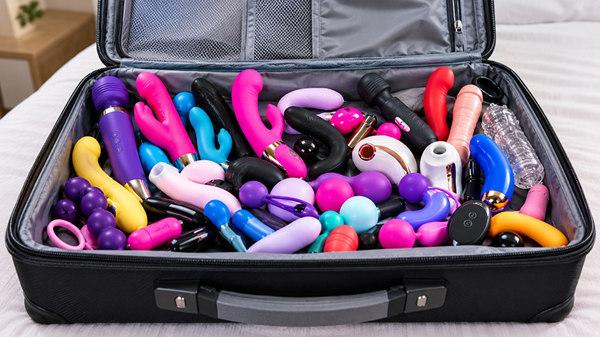
Before choosing a vibrator manufacturer, define your target market, retail price, order quantity, and product style. Some buyers need affordable, basic products. Others want advanced designs with suction, heating, or multiple functions.
Decide whether you want an existing design with your own logo or a new product developed to your specifications. Clear requirements make it easier to compare suppliers and avoid extra costs.
Different vibrator types have different structures, functions, and production costs. Use the table below as a starting point when planning your product range.
| Vibrator Type | Main Features | Estimated EXW Price/Unit | Key Parameters |
|---|---|---|---|
| Basic vibration | One or more motors; several speeds or patterns | $4–8 | Motor strength, noise, modes, material |
| Telescopic / thrusting | Automatic in-and-out movement, sometimes with vibration | $8–18 | Stroke length, speed, motor count |
| Suction / air-pulse | Air pulses create a suction-like sensation | $8–13 | Intensity levels, pulse patterns, nozzle design |
| Heating | Adds a controlled heating function | $6–12 | Temperature range, heating time, safety control |
| Multi-function | Combines functions such as vibration, rotation, thrusting, or suction | $12–25 | Function combinations, motor control, battery |
Pricing note: These are rough planning estimates for existing designs with standard packaging, not fixed market prices or a confirmed quote. The actual price depends on materials, components, order quantity, packaging, and testing needs. New molds and special customization usually cost extra. Ask suppliers to quote products with the same specifications for a fair comparison.
Do not compare factories by unit price alone. Ask each supplier for a clear specification sheet.
| Parameter | What to Confirm |
|---|---|
| Material | Silicone, ABS, or other materials, with supporting documents where applicable |
| Motor | Number of motors, strength, noise, and expected service life |
| Functions | Modes, speed levels, suction, heating, or movement |
| Battery | Type, capacity, charging time, and operating time |
| Charging | USB, USB-C, or magnetic charging |
| Waterproof rating | Required IP rating and supporting test report |
| Size | Product dimensions, weight, and stroke length if relevant |
| Quality control | Function tests, appearance checks, and battery checks |
For heating models, ask about temperature control and over-temperature protection. For thrusting models, check the movement mechanism and stroke stability. For rechargeable products, confirm battery and charging safety details.
OEM and ODM are common ways to develop a product range.
OEM is suitable when you have your own design, drawings, or detailed requirements. The factory produces according to the agreed specifications.
ODM is useful when you want to choose an existing design and customize details such as color, logo, packaging, or selected functions. For a new brand, ODM can be a practical way to test demand before investing in a new mold.
Ask the factory which options are available, what the MOQ is for each option, and whether design or tooling fees apply.
Low prices can be attractive, but inconsistent materials, noisy motors, weak batteries, or unstable functions may lead to complaints and returns.
Ask how the factory checks incoming materials and finished products. Request relevant documents for the product and your target market. Depending on the product and destination, these may include CE-related conformity documents, RoHS or REACH information, battery safety reports, or FCC compliance evidence for applicable electronic or wireless products.
Check that documents match the actual product and model. A certificate name alone does not prove that every product is covered.
Samples let you check quality before committing to a large order. Test the functions, motor noise, surface finish, charging, battery life, and packaging.
For customized products, approve a final sample before mass production. Confirm the sample cost, lead time, and whether the fee can be deducted from a later order. Keep the approved sample and specifications as references for production quality.
The unit price is only one part of the order cost. Ask the supplier to list any extra charges clearly.
| Cost Item | What It May Include |
|---|---|
| Unit price | Product and agreed standard components |
| Customization | Logo, special colors, upgraded functions, or materials |
| Mold or development | New tooling, structural changes, or engineering |
| Packaging | Custom boxes, inserts, manuals, and printing |
| Testing and shipping | Additional tests, freight, insurance, and logistics |
Compare quotes using the same trade terms, such as EXW or FOB. Check MOQ, packaging, payment terms, and lead time too. A slightly higher price may offer better value if it includes stronger quality control and more consistent production.
A reliable vibrator manufacturer should communicate clearly, deliver on time, and maintain consistent quality between batches. It should also be able to support your product range as your business grows.
You can begin with several existing models, test customer demand, and then add custom products based on sales feedback. This helps control initial investment and reduces the risk of holding slow-moving stock.
Before placing an order, ask how the factory handles delays, defective units, replacement parts, and after-sales issues. A written agreement on inspection standards, delivery dates, payment terms, and responsibility for defects can prevent misunderstandings later.
What is a good vibrator type for a new brand?
Basic vibration models are often a practical starting point because the design is relatively simple. Suction or multi-function models can help differentiate a range when your budget allows.
What is the MOQ for wholesale vibrators?
MOQ varies by factory, model, color, and customization level. Existing designs may have a lower MOQ than fully customized products. Confirm the quantity for each SKU.
Can manufacturers customize logos and packaging?
Many OEM/ODM factories offer logo printing, color options, and custom packaging. Ask about extra fees and minimum quantities before ordering.
Choosing a manufacturer starts with clear requirements, transparent pricing, and reliable quality control. V-Joyful supports adult product customization and OEM/ODM projects, including color options, logo branding, and packaging customization.
Contact our team to discuss your target market, product requirements, and wholesale quotation.


